
Mexico’s makeshift rehab centers come under cartel pressure amid meth crisis
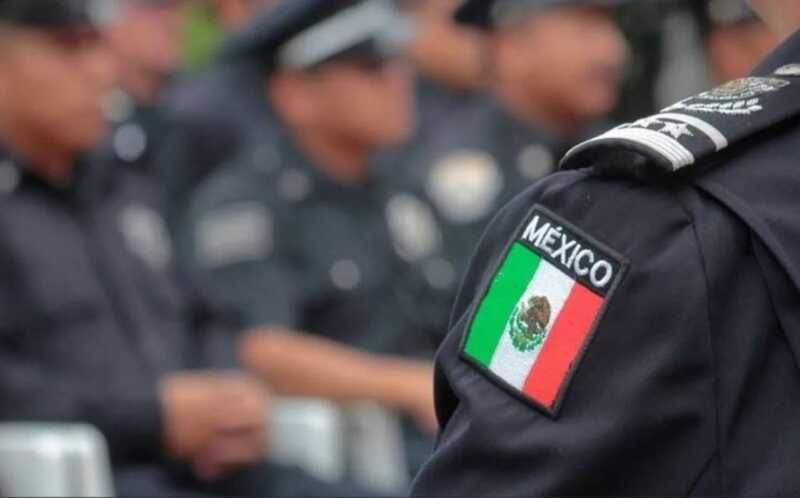
As Mexico struggles with a cartel-driven methamphetamine crisis, even makeshift rehab centers have become vulnerable to gang infiltration and attacks.
Yet with little else available to those seeking addiction help, some officials now see regulating these underground facilities as the path forward.
Nicolás Pérez drives his pickup through dimly lit streets in central Mexico. Five men are in the back. They are on a "spiritual mission," he says, looking for people struggling with methamphetamine addiction to force into treatment at his rehabilitation center.
The truck stops at an abandoned house. The men get out, slip under a fence and enter. Seconds later, a shout is heard from the upper floor, and the tallest of the group escorts out a much smaller man, who is pleading in vain. They want to lock him up in rehab at La Sagrada Familia (The Holy Family), the center that Pérez has directed for 20 years in Silao, the heart of Guanajuato state.
"What we do is based on trial and error,” Pérez says. “Maybe when he gets out he’ll [use drugs] again. Maybe so, but we’ve already helped extend his life a little. We have the advantage that there’s a chance he’ll be rehabilitated.”
Men from La Sagrada Familia inspect an abandoned building where a methamphetamine user slept in Silao, Guanajuato, Mexico, on 16 January 2026.
La Sagrada Familia is an anexo, a type of informal rehabilitation center in Mexico that exists because there is almost no public residential drug treatment. They have proliferated in this part of the country in response to a cartel-driven methamphetamine addiction crisis. There are now at least 520 anexos in Guanajuato and roughly 3,000 across Mexico, but without a formal registration system, it is impossible to know the exact number.
Largely unregulated, anexos are often criticized for harsh or even abusive methods, poor hygiene, and a lack of trained staff. Some have even been infiltrated by the drug-selling cartels who are driving the state’s addiction rates, and Guanajuato authorities have tried shuttering them.
But they are also the only help available to many Mexicans struggling with serious drug addictions, and some officials hope they could be reformed into vital places for treating the epidemic.
Credit: Diego Legrand
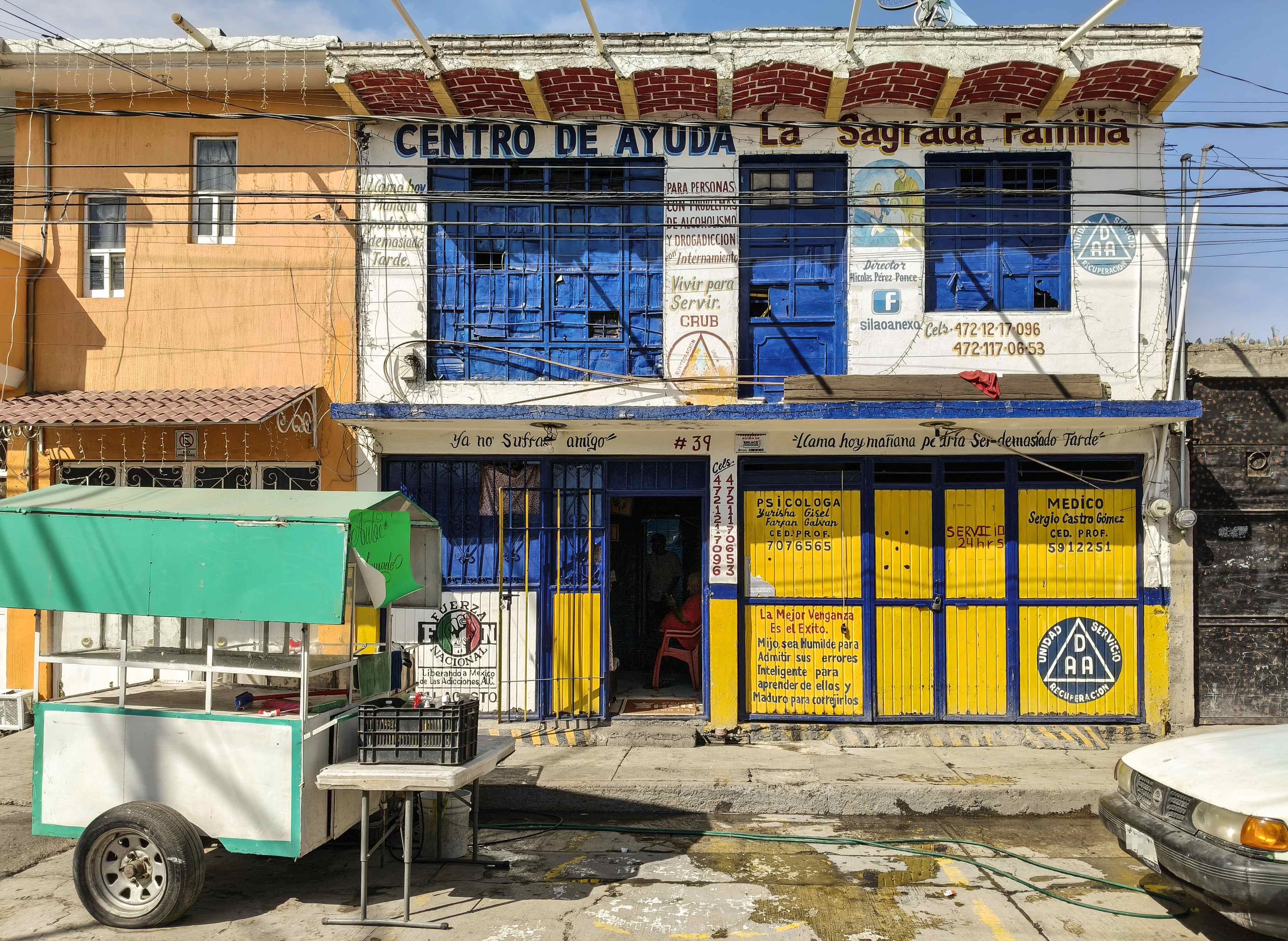
Front view of the facade of the La Sagrada Familia rehabilitation center in Silao, Guanajuato, Mexico, on 15 January 2026.
Alejandro Arias, a state legislator, is pushing for a Guanajuato law that would regulate anexos “to truly rehabilitate those who enter them.”
Putting anexos under the supervision of the state’s Secretariat for Health could improve issues ranging from infrastructure deficiencies to inadequate food, shortage of professional staff, overcrowding, mistreatment of those interned, and excessive fees, he says.
He also hopes that more support could bolster the centers’ ability to fend off the gangs who see the sites as recruiting grounds for new drug users or cartel foot soldiers.
The goal, he says, would be to "put a stop to organized crime, which has targeted our addicted youth as easy prey, offering them as cannon fodder in their criminal activities."
Murder Capital of Mexico
Guanajuato has the tragic distinction as the state with the highest number of homicides in Mexico. It was considered one of the most prosperous, peaceful states in the country until 2015, when the Jalisco New Generation Cartel (CJNG) — one of the most violent criminal organizations in the world — moved in and started vying with local gangs for control of illicit economies.
The conflict was in part driven by the cartel’s effort to seize lucrative fuel theft networks that siphoned oil from a local refinery’s pipelines and were controlled by the local Santa Rosa de Lima Cartel. Guanajuato’s geographical location, industrial corridors and highway networks also offer an ideal logistical hub for transporting drugs between Mexico and the United States.
Annual murders grew from 957 in 2015 to 2,539 in 2025. The actual murder rate in Guanajuato is likely even higher; almost 5,700 people are currently reported missing in the state, with around 870 disappearing last year.
Credit: Prometeo Lucero/ZUMAPRESS.com/Alamy Stock Photo
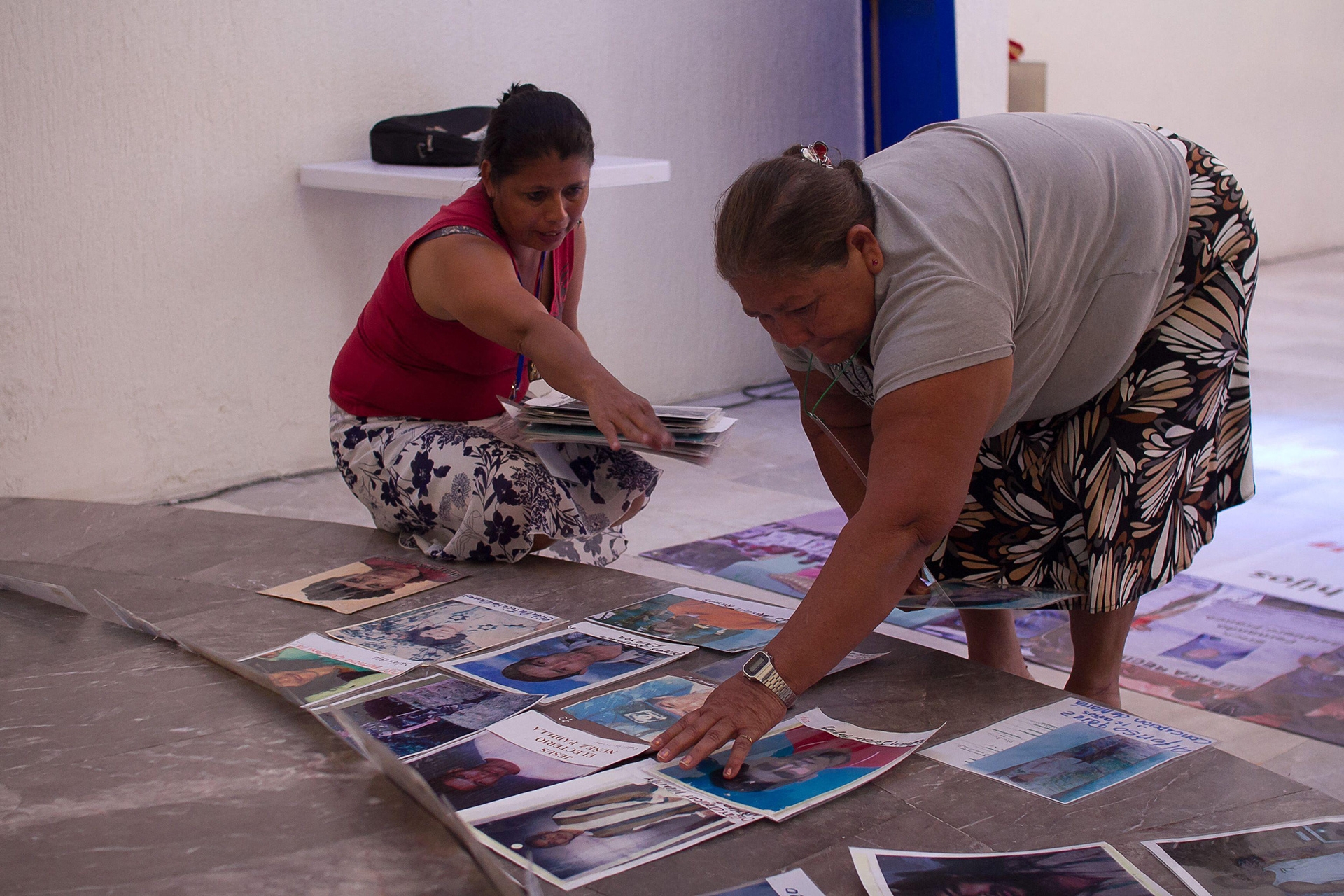
Mothers show pictures of their disappeared sons and daughters in Irapuato, Guanajuato, Mexico, on October 23, 2012.
To fund their war, the two cartels flooded Guanajuato’s working-class neighborhoods and factories with methamphetamine.
“You start to see this reconfiguration in this place, which was previously considered a transit point” for the drug trade, but then emerged as a “strategic territorial hub” for the cartels, says Hugo Córdoba, drug project coordinator at the United Nations Office on Drugs and Crime.
No longer just a passing point for drugs, Guanajuato also became a hot market.
“El Bolas,” a man interned at La Sagrada Familia, says he first started using crystal meth during his work in a car factory. “There’s a lot of crystal meth there because the work is hard, especially at night.”

Credit: Diego Legrand
“El Bolas,” who was a resident at La Sagrada Familia, posing in his van in Silao, Guanajuato, Mexico.
He bought the drugs from his co-workers, who were also users, and had started dealing to pay for their own habits.
“From there it just kept increasing, and I stopped going to work because I was falling asleep from not sleeping well and all that,” he says. “And then I also spent some time using crystal meth while driving. But I was concerned about the risk of having people with me. I had two accidents because of crystal meth.”
With more drug use, the demand for rehabilitation centers grew. Local anexos, which previously interned 10 or 15 people, filled with up to 100, says David Saucedo, a security analyst based in Mexico.
Forced Sobriety and Discipline
Those interned at an anexo are often there against their will. After picking up people on the street, Pérez’s team typically calls 911 to report the person’s name and picture and the location, so as “not to commit a crime like kidnapping,” he says.
In other cases, desperate families turn to the centers to forcibly take and treat their loved ones.
Often, relatives are pushed to the point where the drug use causes behavior in their kin that they cannot cope with: severe paranoia, extreme sleep deprivation, hallucinations, and psychosis.
Methamphetamine is notoriously one of the hardest drugs to quit, and given the underground and variable nature of the anexo system, there are no statistics on the treatment’s success rate.
But Pérez believes centers like his can hold the cure. "We have a lot of faith that, with what we do, we can save a guy, because the miracle worked on me," says Pérez, who is himself in recovery for an alcohol problem he treated at an anexo.
Credit: Diego Lagrand
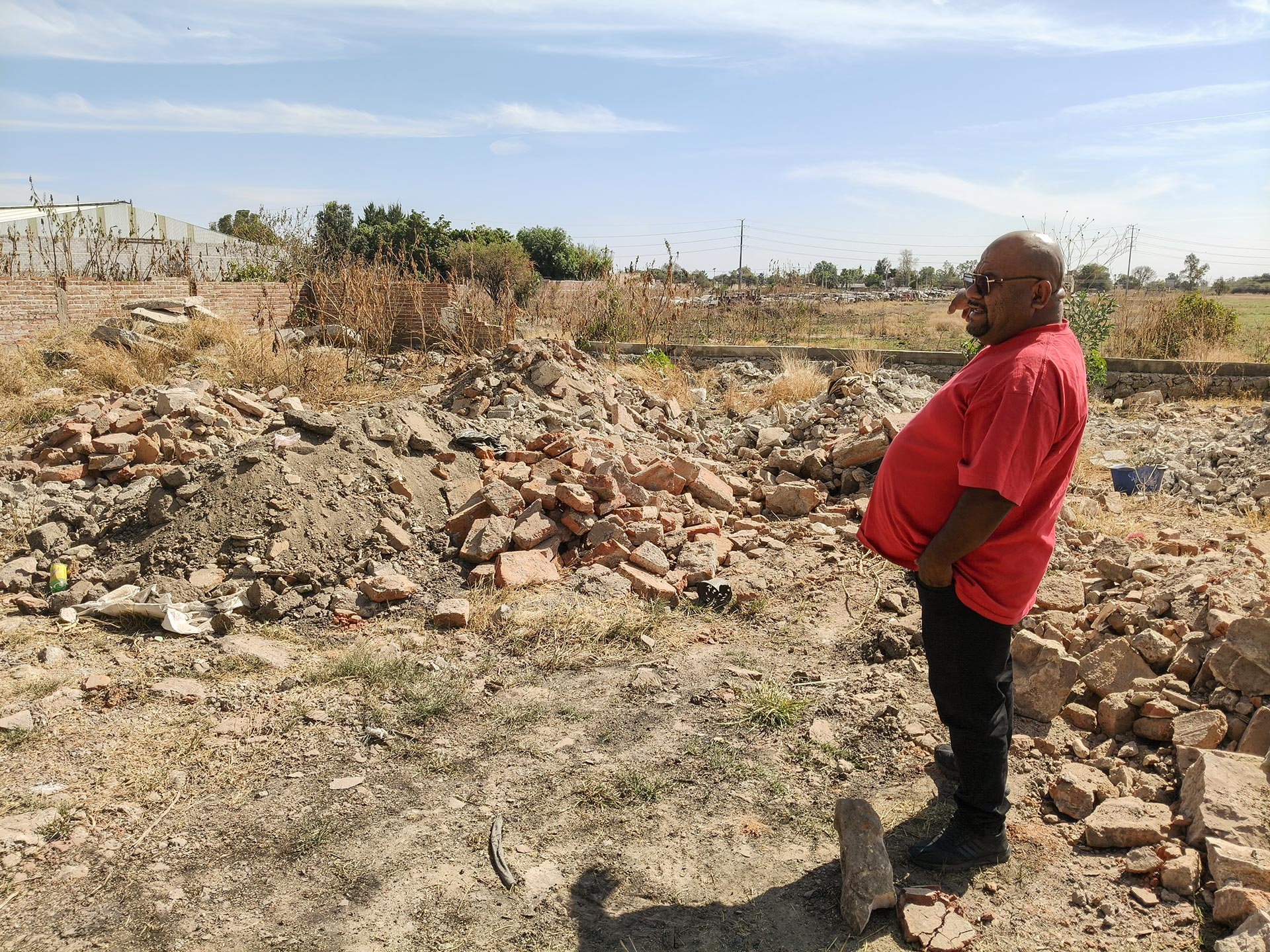
Nicolás Pérez, director of the La Sagrada Familia rehabilitation center, stands at the site where he plans to construct a new “anexo” in Guanajuato, Mexico.
This is typical of those staffing the anexo’s day-to-day operations. The five men assisting Pérez in his recent night mission are in recovery too — in fact, they’re interned at La Sagrada Familia. The men they round up tonight will recognize them from multi-day methamphetamine binge parties they once took part in together.
The front office of La Sagrada Familia, which is based out of a two-story shop house, is equipped with handcuffs and a first-aid kit with sedatives. Those who are nearing the end of their stay serve as guards, preventing the newcomers from escaping.
Pérez once nearly lost an eye, he says, when he was stabbed by a boy being admitted at a family’s request.
Tonight, things go smoothly. The first man they nabbed prefers to go somewhere else, to a specialized center for the homeless he already knows. The other two men begin their time in La Sagrada Familia without fuss, even when they are forcibly bathed with a hose.
The plan is for them to stay for at least six months, bunking with nearly 55 others. Those who enter voluntarily or are brought by their families pay between 1,600 and 2,00 pesos per month ($90 - $110) but Pérez says he also accepts those who cannot pay. “Our program is 100% spiritual," he says.
Credit: Diego Lagrand
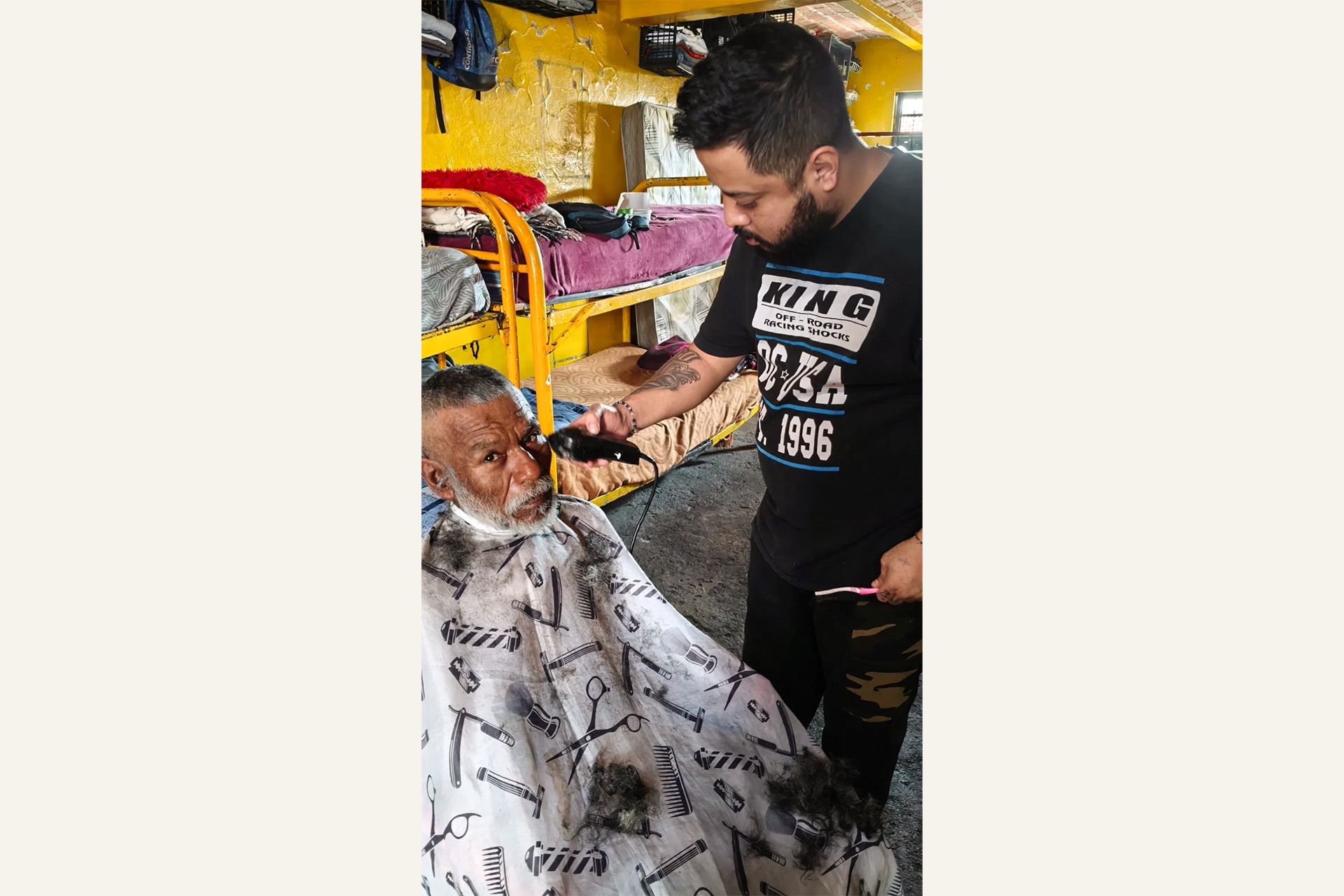
A man who goes by “Papa Smurf” has his head shaved after being forcibly admitted to La Sagrada Familia anexo in Guanajuato, Mexico.
The treatment model at La Sagrada Familia is typical of an anexo, forcing sobriety and discipline along with the 12-step Alcoholics Anonymous program. Several times a day, residents meet to recount their experiences, and are applauded or judged by others who know their pain.
A resident nicknamed “El Trailero” recounts how taking methamphetamine first helped him stay awake on long truck journeys. Quickly, however, insomnia and hallucinations caused him "many setbacks."
Some health professionals criticize anexos for entrusting severe addiction recovery to unqualified peers instead of medical professionals.
A 2020 report on Mexico’s anexos by the National Human Rights Commission found poor hygiene, a lack of trained staff, as well as allegations of forced internment, physical abuse, threats, and ill-treatment.
Abuses of residents resulting in their deaths have also been reported by Centros de Rehabilitación Unidos del Bajío (CRUB), a network of more than 180 anexos in Guanajuato.
Pérez serves as president of CRUB, and at La Sagrada Familia there’s no sign of any physical violence. Order is strict, however. At wake-up time, those who slept in the central courtyard store away their mattresses and sweep and mop up.
Men carry food into the La Sagrada Familia rehabilitation center in Silao, Guanajuato, Mexico, on 16 January 2026. (Credit: Diego Legrand)
After breakfast, the atmosphere relaxes. A veteran resident gives the newcomers a shave. Others cook for the house, making chicken soup and stews with ingredients bought by those permitted outside, using the money Pérez receives from their relatives, and donations from neighbors.
Flashpoint of Bloody Cartel War
The anexos’ vulnerability to cartels was exposed in 2020, when one of the worst massacres recorded in Guanajuato state’s history unfolded at one such rehab center.
Alejandra — whose last name is withheld for her protection — was interned at Buscando el Camino a mi Recuperación (Seeking the Path to My Recovery) in Irapuato when heavily armed men entered and gathered the male residents on the second floor.
"I never imagined they were going to kill them. They shot them all in the head,” she says. “When they shot the guy at the door, blood splattered on me and a shell casing fell on my hand."
Credit: Gabriela Montejano/AFPTV/AFP
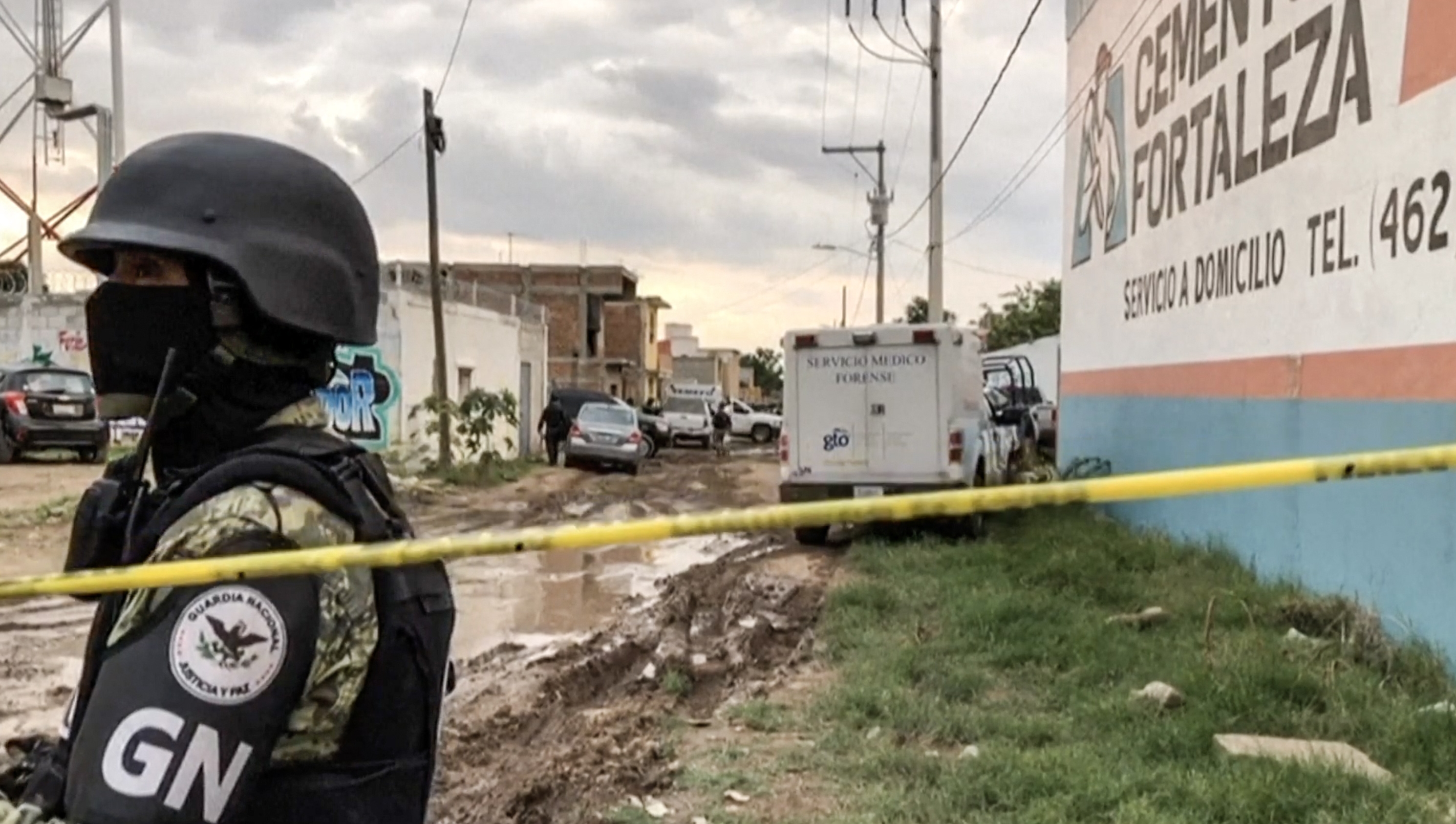
Security and emergency services personnel guard the site where gunmen carried out an attack on a drug rehabilitation center in Irapuato, central Mexico, in July 2020.
Escaping with a friend, she phoned her mother, who thought she had made up an excuse to run away. Then the story of the mass shooting hit the news. As Alejandra fled, 27 were murdered and several others wounded.
The scale of the violence brought attention to anexos and some of their questionable practices, Mexico’s failure to provide public addiction treatment, and the fact that Guanajuato was engulfed in cartel violence.
Nicolás Pérez and a view of the “Buscando el Camino a mi Recuperación” rehabilitation center on 15 January 2026, where a massacre took place in 2020, in Irapuato, Guanajuato, Mexico. (Credit: Diego Legrand)
The mass shooting also revealed how CJNG had begun using Guanajuato’s anexos as hideouts, centers for drug distribution, and places to recruit or train young men into service, says security analyst Saucedo, who estimates one third of the centers in Guanajuato could be under CJNG control.
Both CJNG and local rivals like the Santa Rosa Cartel were already slaughtering anyone they suspected of selling the other’s product. When the local groups then discovered CJNG was taking over anexos, they attacked.
"The Jalisco Cartel is trying to shield and defend its anexos, and the Santa Rosa Cartel is trying to exterminate them. That is what we currently have: It is the war of the anexos," Saucedo says.
Credit: Ian Robles/ Eyepix Group/Eyepix/NurPhoto/NurPhoto via AFP
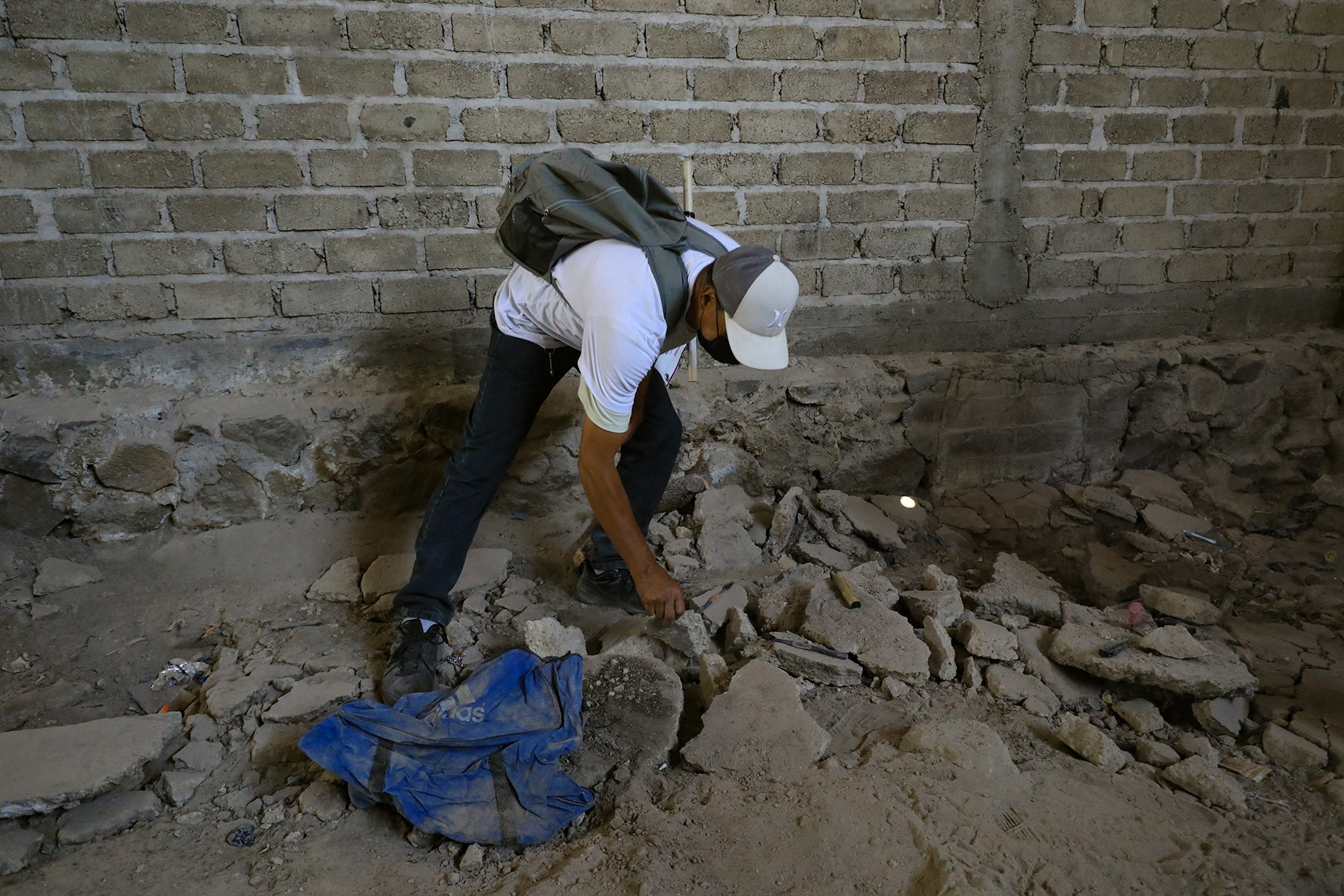
Relatives of missing persons and members of search collectives visit Rancho Izaguirre in search of evidence that their loved ones may have been held there. Authorities allege that members of the Jalisco New Generation Cartel used the site as a recruitment and extermination center in Teuchitlán, Mexico, on March 20, 2025.
Attempting to calm growing public concerns about the anexo system, authorities in Guanajuato reportedly suspended around 49 anexos due to sanitary violations, lack of permits, and other regulatory deficiencies between 2020 and 2025. Yet far from calming the crisis, the move escalated it.
Dozens of anexos kept operating in the shadows, and the raids ultimately put desperate drug users out on the streets. Their safety net — however imperfect — had been taken away.
The cartels, meanwhile, kept their aggressive battle over the remaining anexos.
"There was a moment when, unaware this would happen, we carried out operations where we [closed the anexos],” a high-ranking official from Irapuato tells OCCRP on condition of anonymity. “It was said: There cannot be these centers. And then there was a rise in crime incidents.”
Now, some local officials are taking a different tack: working to improve the centers instead.
Anexo Directors Defend Their Work
The Irapuato official says the rise in crime sparked a more collaborative relationship between anexos and authorities. The municipality is working with them to ensure they comply with local regulations, such as public safety and land use rules.
Some Guanajuato officials are also seeing progress in the crisis. Mauro González, Guanajuato’s Secretary of Security and Peace, touts the state’s 64% decrease in victims of intentional homicide over the past year.
Even so, Guanajuato remains the state with the highest number of murders in the country, and anexos are still a target. In January, two died when an anexo named Los Marginados (The Outcasts) was sprayed with bullets.
At a meeting of dozens of anexo directors in Irapuato attended by OCCRP earlier this year, the main topic of discussion was the threats they are facing from cartels.
Not all anexos are attacked for being linked to narcos, the directors say. Some are attacked for refusing to carry out illicit activities for cartels, others are for revenge by former residents who have been mistreated, and others for interning — sometimes unknowingly — a member of a rival cartel.
In their meeting, the anexo directors debated whether to report such incidents to the authorities, given the risk the cartels will see them as police collaborators and double down on their attacks.
Some anexo directors and local officials have also been pushing for the formal legalization of anexos, with the view that government oversight would improve safety and remove them as footholds for the cartels. In March, however, the Guanajuato legislature voted down a proposed law to regulate the state’s anexos.
“They rejected it with arguments such as, it was invading the federal jurisdiction of the Secretariat of Health or … that the legislation we had presented was over-regulating,” says state legislator Arias.
Credit: Ulises Ruiz/AFPTV/AFP
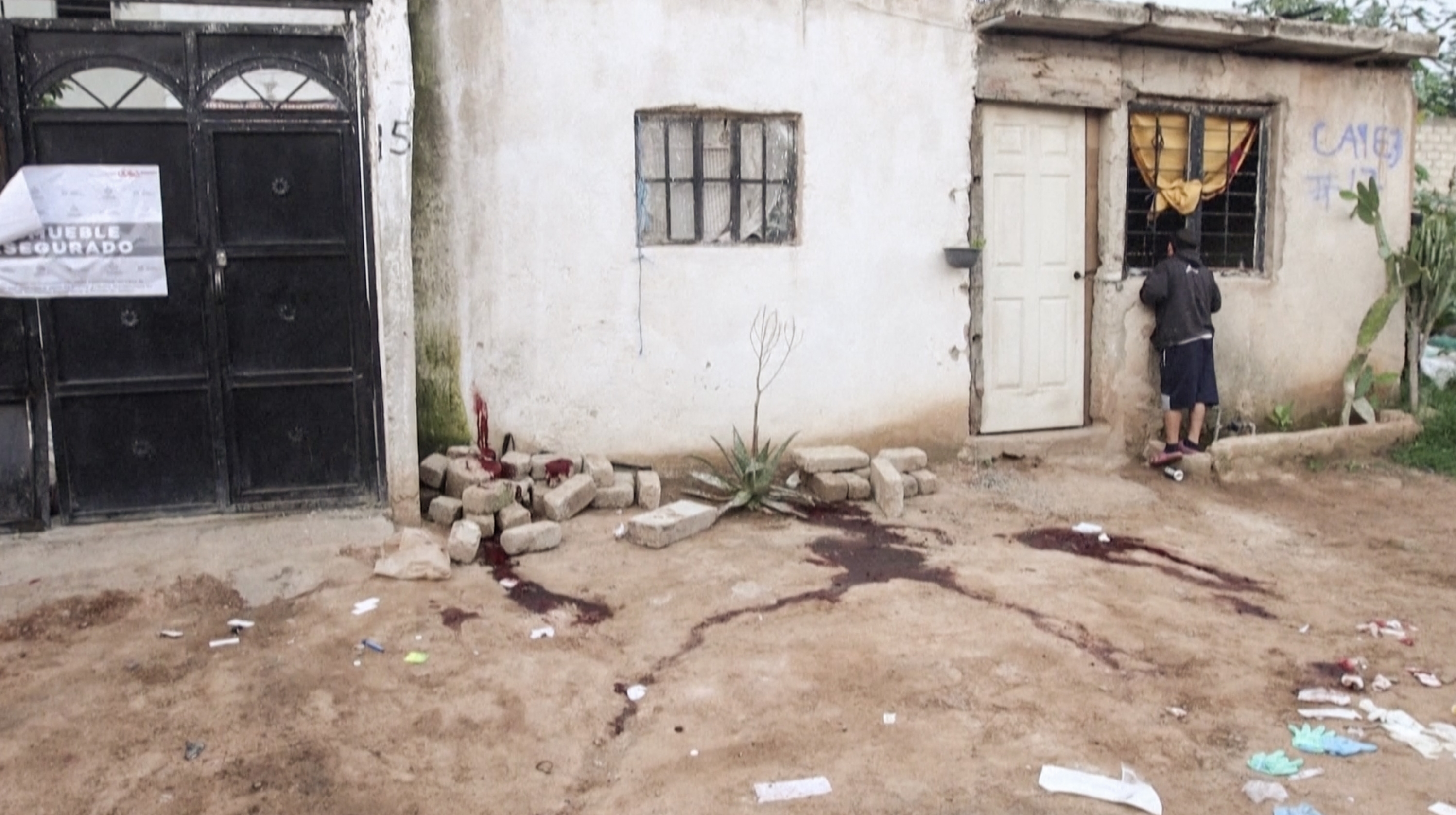
The aftermath of the killing of six people at a drug rehabilitation center in Guadalajara, Jalisco, Mexico, in July 2022.
Yet there is precedent in other parts of the country, he notes, pointing out that anexos in Mexico City and Chihuahua are registered with their local health ministries and regularly inspected.
Other states around the country, such as Jalisco, have established regulatory frameworks for addiction treatment and rehabilitation centers, but enforcement remains uneven and some facilities continue to operate without full registration.
Arias says he plans to present the law again, “correcting some of the issues they claimed were deficiencies.” But he worries there’s a reluctance to regulate anexos because “from there arises budgetary, medical, and care obligations that maybe the state doesn’t want to fulfill.”
At the anexo directors’ meeting in Irapuato, it was clear that many are not merely motivated by business profits, as some critics allege. They see themselves as part of a societal response to an addiction crisis, and will continue undeterred.
"We are practically abandoned and that is what fills those of us dedicated to this with powerlessness," said one of the directors, before exclaiming, “If they are going to come and take away what I have built, to hand it over to these jerks, they’d better kill me!"